


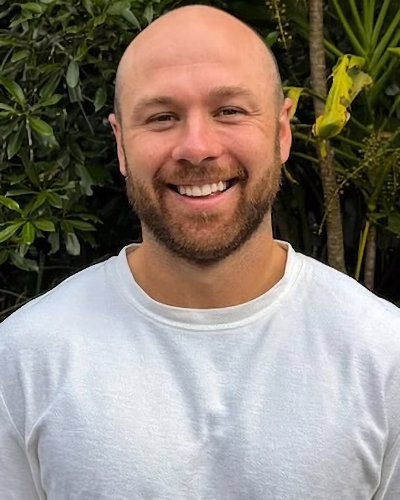
Henry Ferrier
Social Worker AMHSW, Psychodynamic Psychotherapist
AMHSW
Brunswick Heads, NSW 2483
In Person + Online Therapy Australia-wide
Philosophy & Vision
I am an Accredited Mental Health Social Worker and ANZAED Credentialed Eating Disorder Clinician providing psychotherapy to adolescents and adults, with a particular focus on eating disorders and personality difficulties, including Borderline Personality Disorder (BPD).
My eating disorder work integrates Focal Psychodynamic Therapy (FPT) and Enhanced Cognitive Behaviour Therapy (CBT-E), addressing both eating disorder symptoms and the emotional, relational and psychological difficulties that may accompany them. I have also undertaken additional training in supporting neurodivergent people experiencing eating disorders.
For personality difficulties, I draw particularly on Transference-Focused Psychotherapy (TFP), a structured psychodynamic treatment developed for personality disorders. My approach is thoughtful, direct and collaborative, with a focus on meaningful and lasting psychological change.
Background
Before completing my Master of Social Work, I worked in child protection, supporting children, young people and families experiencing significant adversity. Following qualification, I have worked across public and community mental health, including NSW Health CAMHS, headspace and adult crisis counselling. My clinical experience includes complex PTSD, major depressive disorder, self-harm, suicidality, sexual assault, domestic and family violence, and supporting people navigating neurodiversity. I am also a NSW Victims Services Approved Counsellor supporting people impacted by violent crime. In private practice, I have developed a particular focus on eating disorders and personality disorders, supported by ongoing specialist training.
Services
I provide individual psychotherapy to adolescents and adults, in person in Brunswick Heads and via secure telehealth across Australia. I work particularly with eating disorders, BPD and other personality difficulties, complex PTSD, depression, trauma and neurodiversity. Treatment may draw on Transference-Focused Psychotherapy (TFP), Focal Psychodynamic Therapy (FPT) and CBT-E according to individual needs. Medicare rebates are available with an eligible referral. I also work with NDIS participants, workers’ compensation clients (SIRA), and clients accessing NSW Victims Services. Victims Services places are limited—please enquire about current availability. Private health insurance rebates may also be available depending on your fund.
Quality Provision
I am an Accredited Mental Health Social Worker and ANZAED Credentialed Eating Disorder Clinician. My practice is informed by evidence-based and psychodynamic approaches, with ongoing specialist training and regular clinical supervision. For complex personality disorder work, I undertake weekly TFP supervision and training. Eating disorder treatment is supported by continuing professional development and supervision in evidence-based and neurodiversity-affirming approaches.
Areas of Interest
Accreditations
- Master of Social Worker - 2023 - The University of Queensland
- Bachelor of Human Services - 2021 - The University of Queensland
Modalities
CBT - Compassion-Focused Therapy - Object Relations - Psychodynamic - Systems Theory - Trauma-Informed
Therapy Approach
My approach is depth-oriented, structured and collaborative. Alongside reducing distressing symptoms, therapy aims to understand the underlying emotional, relational and personality patterns that can contribute to difficulties recurring over time.
For personality disorders and complex personality difficulties, I primarily draw on Transference-Focused Psychotherapy (TFP), using the therapeutic relationship to understand and work with patterns involving emotions, relationships, identity and sense of self.
For eating disorders, I integrate Focal Psychodynamic Therapy (FPT) and Enhanced Cognitive Behaviour Therapy (CBT-E), tailored to the individual and their presentation. My broader practice also incorporates Compassion-Focused CBT & Schema
Professional Associations
- Australian Association of Social Workers
Practice Locations
14-16 Mullumbimbi Street
Brunswick Heads NSW 2483
Paid parking within Brunswick Heads, unfortunately, unfortunately our office is not wheelchair accessible
Appointments
Monday, Tuesday, Wednesday, Thursday and Friday. Please contact our admin team for current times and availability.
Fees & Insurance
Standard consultation: $200. Medicare rebates of $89.50 are available with an eligible referral. NDIS, NSW Victims Services and eligible workers' compensation clients are accepted. Private health rebates and NDIS available depending on your fund.
Payment Options
Payment is by debit or credit card at the time of consultation. Medicare rebates can be processed for eligible referrals, including Eating Disorder Management Plans.
Contact Henry
Please contact reception to make an appointment

A conversation with Henry Ferrier
-
I was drawn to psychotherapy because I’ve always been interested in how people make sense of themselves, their relationships and the experiences that shape them. Through my earlier work in child protection, community services and mental health, I became increasingly interested in the deeper psychological patterns that can sit underneath distress and recurring difficulties.
Over time, I found myself particularly drawn to work that involves complexity; personality difficulties, eating disorders, trauma, identity and longstanding relational patterns. Psychotherapy appealed to me because it offers the space to understand these difficulties in depth while also supporting practical, meaningful change in a person’s life. -
My professional development has been strongly influenced by psychodynamic and psychoanalytic thinking, particularly object relations, attachment theory and the idea that recurring difficulties in relationships, identity and emotional regulation can be understood through underlying patterns that develop over time.
I have also been influenced by cognitive-behavioural and compassion-focused approaches, particularly where more structured work around symptoms, avoidance, shame and self-criticism is helpful. My social work background has shaped a broader systemic perspective, recognising the impact of family, relationships, trauma, culture and social context on psychological wellbeing.
More recently, my work has also been informed by neurodiversity-affirming practice and the importance of adapting therapy to the individual rather than expecting the individual to fit a particular model. -
I am particularly interested in how people develop a sense of self, how relationships shape emotional life, and why certain patterns can repeat even when someone understands them intellectually. I am drawn to work involving identity, attachment, trauma, shame, self-criticism and difficulties with emotional regulation.
I also have a strong interest in eating disorders and the ways they can intersect with relationships, perfectionism, control, identity and neurodiversity. More broadly, I am interested in helping people understand not only what they are struggling with, but how those difficulties developed and what may support lasting psychological change -
I use a combination of psychodynamic, cognitive-behavioural and compassion-focused methods, depending on the person’s needs and treatment goals. My work with personality disorders is particularly informed by Transference-Focused Psychotherapy (TFP), with attention to patterns in relationships, identity, emotions and the therapeutic relationship itself.
In eating disorder treatment, I draw on Focal Psychodynamic Therapy (FPT) and Enhanced Cognitive Behaviour Therapy (CBT-E), with adaptations where appropriate for neurodivergent clients. I also use Compassion-Focused CBT, particularly where shame, self-criticism or perfectionism are prominent. Across therapy, I aim to balance insight and depth with practical strategies and symptom-focused work. -
Progress looks different for each person and depends on the nature and duration of the difficulties being addressed. Some people notice early changes in understanding, emotional awareness or day-to-day coping within the first few sessions, while deeper changes in longstanding patterns can take more time.
I usually look for progress not only in symptom reduction, but also in a person’s growing ability to understand their emotions, recognise recurring patterns, respond differently in relationships and develop a more stable sense of self. We review progress collaboratively throughout therapy and adjust the work where needed. -
Therapy has helped me appreciate how difficult it can be to recognise patterns in ourselves while we are living inside them. It has reinforced for me the value of having a space where thoughts, emotions and relationships can be explored with honesty, curiosity and without judgement.
It has also shaped the way I work as a therapist. I place importance on self-reflection, being open to feedback and recognising that meaningful change often involves both greater understanding and the willingness to do something differently. My own experience of therapy has strengthened my respect for the vulnerability involved in seeking help and for the importance of a strong therapeutic relationship. -
What I value most is the opportunity to understand someone deeply and to work alongside them as patterns that once felt confusing or overwhelming begin to make more sense. I enjoy the complexity of therapy, especially when someone has felt stuck for a long time and starts to see themselves, their relationships and their choices differently.
I also value the trust involved in the work. Being invited into someone’s inner world is a privilege, and I find it meaningful to support people not only to reduce distress, but to develop greater self-understanding, flexibility and a stronger sense of who they are -
Absolutely. I’m human too, and some days are messier than others. I think part of being a good therapist is not pretending to be perfectly put together, but being able to stay present, reflective and grounded even when life is busy or imperfect.
I also think humour and humanity matter in therapy. The work can involve very serious things, but therapy does not always have to feel formal or heavy. Sometimes being able to laugh, be real and have an honest conversation is part of what helps people feel comfortable enough to do meaningful work. -
One of the most significant problems we face is disconnection: from other people, from community, and sometimes from ourselves. Many people are surrounded by constant communication but still feel isolated, misunderstood or unable to speak honestly about what they are experiencing.
I also think shame and stigma continue to make it harder for people to seek help early, particularly for difficulties such as eating disorders, personality disorders, trauma and emotional dysregulation. Creating spaces where people can be understood without being reduced to a diagnosis is something I see as increasingly important. -
In my early 20's I was inspired by the story of Andy Ricker and Pok Pok. He spent years travelling through Thailand, learning about regional food and cooking before eventually building a restaurant around that knowledge. What I find inspiring is the curiosity, persistence and willingness to go deeply into something rather than simply following what was already popular. I think there is something valuable in becoming genuinely interested in a craft, continuing to learn, and allowing that expertise to develop over time.