


- Sigmund Freud
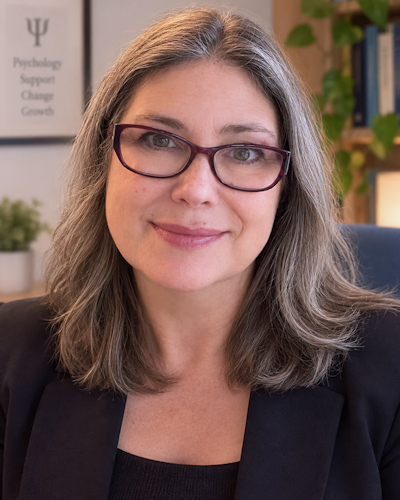
Sonja Keller
Social Worker AMHSW, Psychotherapist
Sonja Keller
Sydney , NSW 2000
In Person + Telehealth
Philosophy & Vision
Everybody wants to be heard, believed, validated and respected. I teach strategies to manage complicated and overwhelming feelings. I love to help individuals grow and develop interpersonally and learn how to have better more satisfying relationships with themselves and others. I am passionate about working with people to unpack and explore early childhood trauma, facilitate self-exploration, examine emotional blind spots and understand relationship patterns in order to have a functional, happy and healthy existence.
I specialise in Trauma, Child Sexual Abuse and Personality Disorders. I work holistically and understand that dysfunction does not stem merely from biochemistry of the brain. There are many elements involved in creating problematic experiences, so understanding YOU in context with your environment is crucial.
Background
Sonja brings a rich and diverse background to her work as a clinical social worker and therapist, grounded in extensive experience across multiple challenging and impactful settings. Over the course of her career, she has developed a strong expertise in trauma work with individuals from a broad range of backgrounds, including vulnerable populations and those involved in the criminal justice system. Sonja’s commitment to social justice and mental health equity has driven her involvement in correctional facilities, educational institutions, and government agencies, enabling her to provide comprehensive, compassionate support tailored to each client’s unique circumstances.
Services
Areas of Interest
Accreditations
- Bachelor of Education - 1992 - University of NSW
- Bachelor of Social Work (Honours) - 2010 - Monash University
- Accredited Mental Health Social Worker - 2012 - AASW
Modalities
Attachment Theory - CBT - DBT - EMDR - Emotional Freedom Techniques - Meditation - Mindfulness - Person Centred - Psychodynamic - Solution Oriented - Strengths-Based - Trauma-Informed
Therapy Approach
Throughout her career, Sonja has maintained a dedication to continuous learning and professional growth, regularly undertaking advanced training in trauma-informed therapies, including EMDR (Eye Movement Desensitization and Reprocessing), cognitive-behavioural therapy, and attachment-focused approaches. This commitment ensures her clinical interventions are both current and effective, tailored to the evolving needs of her clients.
Professional Associations
- Australian Association of Social Workers
Practice Locations
Dymocks Building
Sydney NSW 2000
Nepean Health Hub
13 Parker Street
Kingswood NSW 2747
Appointments
Tuesday (Penrith) 9.00 - 6.00pm
Wednesday (Penrith) 9.00 - 6.00pm
Friday (Katoomba) 9.00 - 6.00pm
Saturday (Sydney CBD) 9.00 - 4.30pm
Fees & Insurance
Consultation/Therapy $240
Couples $350
Payment Options
Direct Transfer
Credit/Debit Card
Contact Sonja
Please contact me to make an appointment

A conversation with Sonja Keller
-
I was drawn to psychotherapy and counselling because of a deep desire to help people navigate life’s difficulties and find healing. Early in my personal and professional experiences, I witnessed how transformative it can be to have a compassionate, supportive space to process pain, trauma, and growth. I was inspired by the resilience I saw in others and wanted to be a part of that journey — to provide guidance, understanding, and tools for change. Choosing this profession felt like a meaningful way to combine my passion for social justice, empathy, and mental health, allowing me to make a positive difference in individuals’ lives every day.
-
My professional development has been influenced by several key philosophical approaches that shape how I understand and engage with clients. Humanistic philosophy has been foundational, emphasizing the inherent worth and potential of every individual, which aligns with my commitment to providing a compassionate, nonjudgmental therapeutic space. Existential philosophy also informs my work, encouraging exploration of meaning, personal responsibility, and authentic living — themes that often arise in therapy. Additionally, trauma-informed care principles, which focus on safety, empowerment, and understanding the impact of trauma, have deeply shaped my approach. Together, these philosophies guide me to see clients as whole people navigating complex experiences, and inspire me to support them with empathy, respect, and collaborative partnership.
-
I am deeply interested in the ways individuals navigate healing and resilience throughout the human journey, especially in the context of trauma, mental health challenges, and personal growth. I’m passionate about supporting people as they work through anxiety, depression, and the lasting impacts of difficult life experiences, helping them rediscover a sense of safety, meaning, and empowerment. Additionally, I’m drawn to exploring how relationships, identity, and self-awareness evolve over time, and how these aspects contribute to overall well-being. Ultimately, my focus is on helping people move from surviving to thriving, fostering hope and strength at every stage of their journey.
-
I use a range of evidence-based methods tailored to each client’s unique needs, with a strong emphasis on trauma-informed care. One of the primary approaches I utilise is EMDR (Eye Movement Desensitization and Reprocessing), which is especially effective for processing and healing from trauma. I also use DBT (Dialectical Behavioural Therapy) which focuses on the foundations of Distress Tolerance, Emotional Regulation Skills, Interpersonal Effectiveness, Self Compassion and MIndfulness. I also draw on cognitive-behavioral therapy (CBT) to help clients identify and reframe unhelpful thought patterns and develop practical coping skills. My method is flexible and client-centered, aimed at empowering individuals to heal, grow, and build resilience.
-
The timeline for clients to start feeling progress varies depending on their individual circumstances, goals, and the nature of the challenges they’re facing. Some clients may notice positive changes within the first few sessions, such as feeling heard, gaining new insights, or experiencing relief from overwhelming emotions. For others, especially those working through complex trauma or deep-rooted issues, progress might be more gradual and unfold over weeks or months. Importantly, progress isn’t always linear — it can include small steps forward, moments of reflection, and even setbacks. Throughout therapy, I work closely with clients to set realistic goals, celebrate their strengths, and recognise shifts in awareness and coping skills, helping them see and feel their growth along the way.
-
Therapy has profoundly shaped my personal growth and self-awareness. It taught me the importance of compassion — not only for others but also for myself — and helped me develop healthier ways to process emotions and navigate life’s challenges. Through my own therapeutic experiences, I gained insight into the impact of trauma and learned valuable tools for resilience and healing. This journey deepened my empathy and strengthened my commitment to creating a safe, supportive space for my clients. Ultimately, therapy has been a catalyst for transformation, enabling me to live more authentically and connect more deeply with those I support.
-
What I like most about being a therapist is witnessing the strength and resilience that people discover within themselves throughout the healing process. It’s incredibly rewarding to be part of someone’s journey as they gain insight, overcome challenges, and build a greater sense of hope and well-being. I value the deep connections that develop in therapy — the trust, openness, and collaboration — and the opportunity to create a safe space where clients feel truly seen and heard. Being able to support meaningful change and empower people to live more fulfilling lives is what makes this work deeply meaningful to me.
-
Of course! Bad hair days are part of common humanity :)
-
The tremendous pressure we put on ourselves to achieve more, to be perfect in every way and pack as much as we can in to the point of burnout.
With the fast pace of this world, we have become "mind travellers" where we are overthinking and catastrophising about the future, or we are ruminating about the past. We do not allow ourselves time in the present moment, where there is no good or bad, there just is.
If we all learnt to do this, the world would be a better place for all. -
Drop Dead Fred greatly influenced and inspired me. I love the comedy, but also find the underlying emergence of individuation a key area that requires our attention.